Beyond the Trend: Why Goat Dairy is the Ultimate Culinary and Eco-Friendly Upgrade

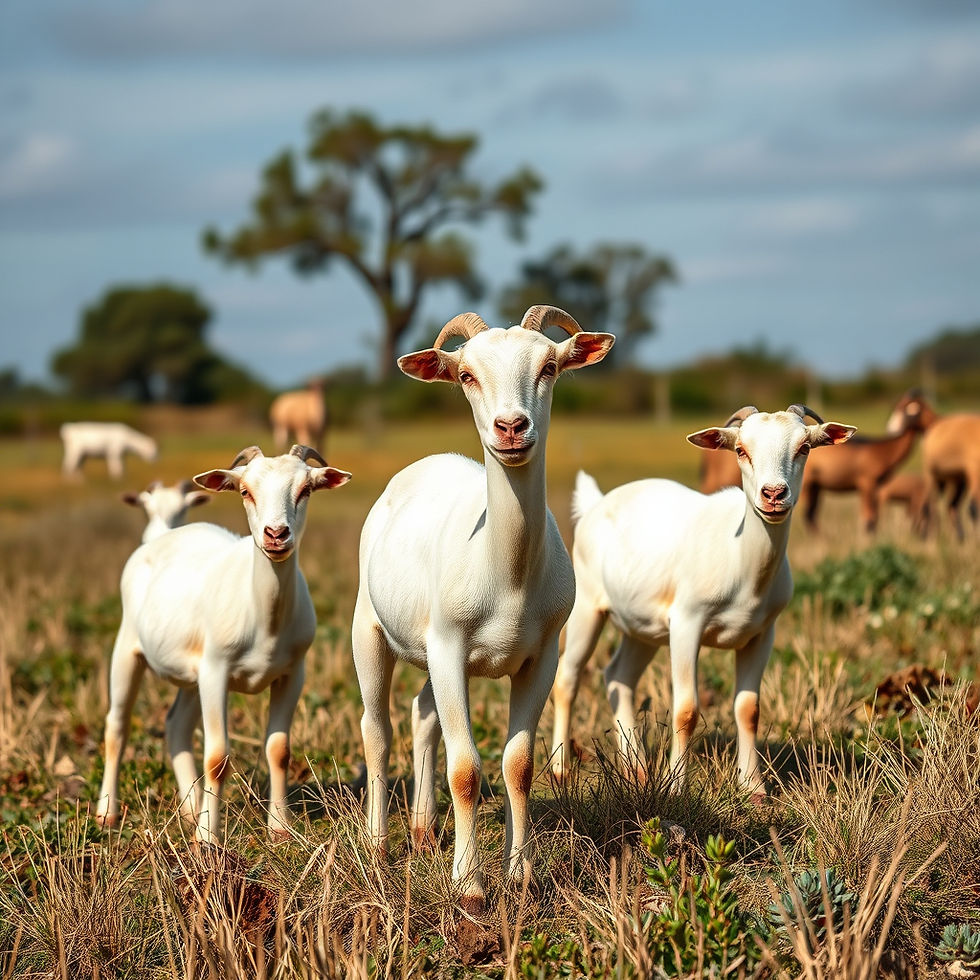
When most people think of goat dairy, their minds go straight to a crumbly log of chèvre on a salad. But if that’s where your experience ends, you’re missing out on one of the most versatile, flavorful, and incredibly sustainable ingredients in the modern kitchen.
While plant-based milks dominate the alternative dairy conversation, goat dairy is quietly winning over foodies and eco-conscious shoppers alike. Here is why making the switch is a massive win for both your palate and the planet.
1. The Chef’s Secret Weapon: The Flavor Profile
Goat dairy brings a distinct, sophisticated flavor profile that cow’s milk simply can’t match. It’s often described as earthy, tangy, and slightly sweet.
This unique taste comes from three specific fatty acids: caproic, caprylic, and capric acid. Far from being just a health benefit, these fats give goat dairy a bright, clean acidity.
In savory dishes: It cuts through rich, heavy ingredients, balancing out a cream sauce or adding depth to a wood-fired pizza.
In sweet dishes: It creates a beautiful contrast. Next time you make caramel sauce or vanilla ice cream, try using goat's milk—the subtle tang cuts the sugary sweetness, creating a complex, gourmet dessert.
2. A Massive Win for the Environment
If you are looking to lower your environmental footprint but aren't willing to give up real dairy, goats are the answer. Pound for pound, goat farming is significantly gentler on the earth than traditional cattle farming.
Fewer Resources: Goats require a fraction of the land and water that cows do. You can comfortably raise roughly six to eight goats on the same amount of land needed for just one dairy cow.
Lower Emissions: Goats produce significantly less methane gas than cattle, making them a much cleaner livestock choice for the atmosphere.
Natural Land Managers: Goats are browsers, not grazers. While cows strip pastures down to the dirt eating grass, goats prefer to eat weeds, brush, and invasive plants. In many fire-prone areas, goats are actually used as eco-friendly brush-clearers to prevent wildfires!
3. The Unmatched Texture (No Homogenization Needed)
Ever notice how commercial cow's milk separates if it isn't chemically or mechanically processed? That’s because the fat separates from the liquid. To fix this, factories use "homogenization" to break up the fat.
Goat’s milk is naturally homogenized. Because its fat globules are so naturally microscopic and evenly dispersed, it stays perfectly blended all on its own. Nutritionally, this means it’s unaltered. Culinarily, it means a phenomenally smooth, velvety texture that makes soups silkier, lattes frothier, and cheeses incredibly creamy.
Simple Swaps to Elevate Your Next Meal
Ready to look beyond the basic cheese board? Try these three gourmet upgrades this week:
The Elevated Morning: Use goat’s milk butter on a warm piece of sourdough. It is strikingly white (goats convert beta-carotene into Vitamin A before it hits the milk) and has a rich, velvety melt-in-your-mouth quality.
The Weeknight Dinner: Swap out heavy cream or sour cream in your favorite tomato soup or beef stroganoff for goat milk yogurt or soft chèvre. It adds a luxurious texture with a bright, tangy finish.
The Upgraded Dessert: Try cajeta—a traditional Mexican caramel made by slowly simmering goat's milk with sugar until it thickens into a rich, deep brown sauce.
The Bottom Line: Choosing goat dairy isn’t about settling for a "substitute"—it’s about choosing a premium, planet-friendly ingredient that makes your food taste better.


Comments